HI-FIVES FLYERS & EPHEMERA •
HI-FIVES FLYERS & EPHEMERA •
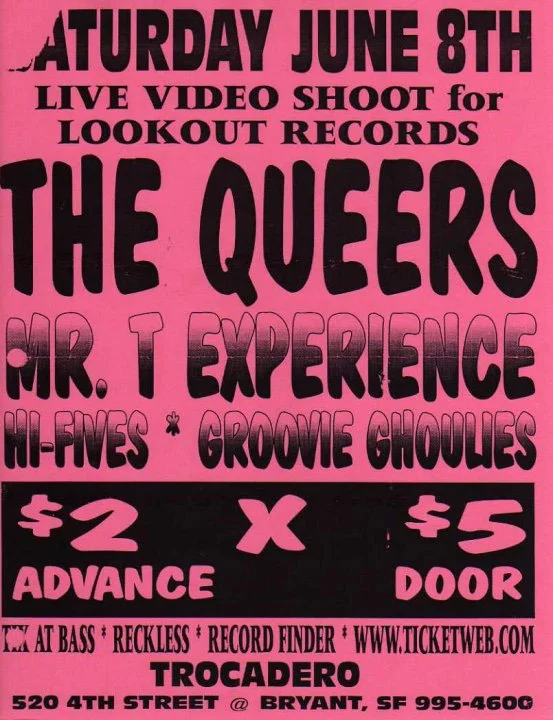
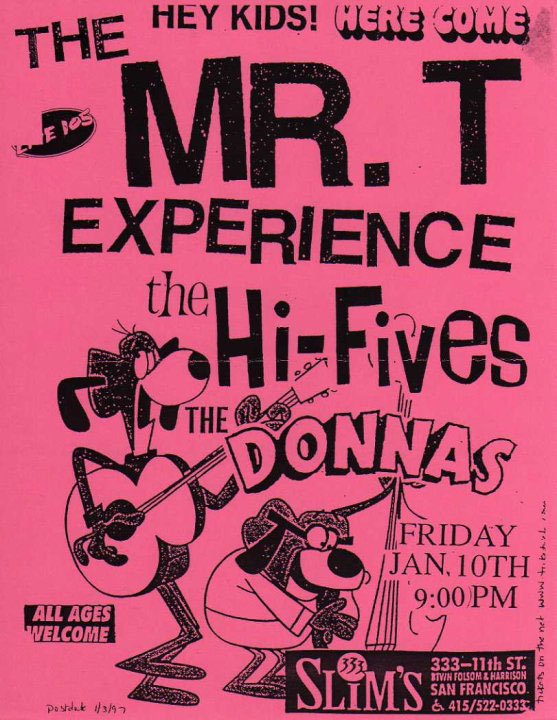
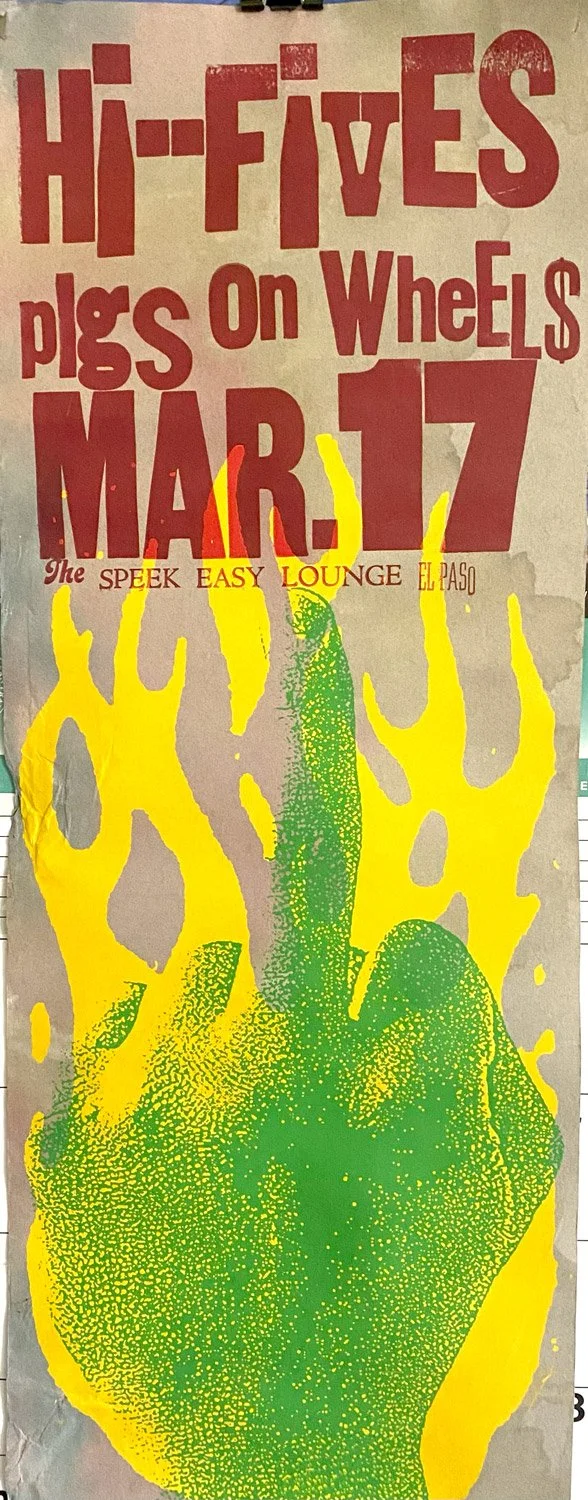
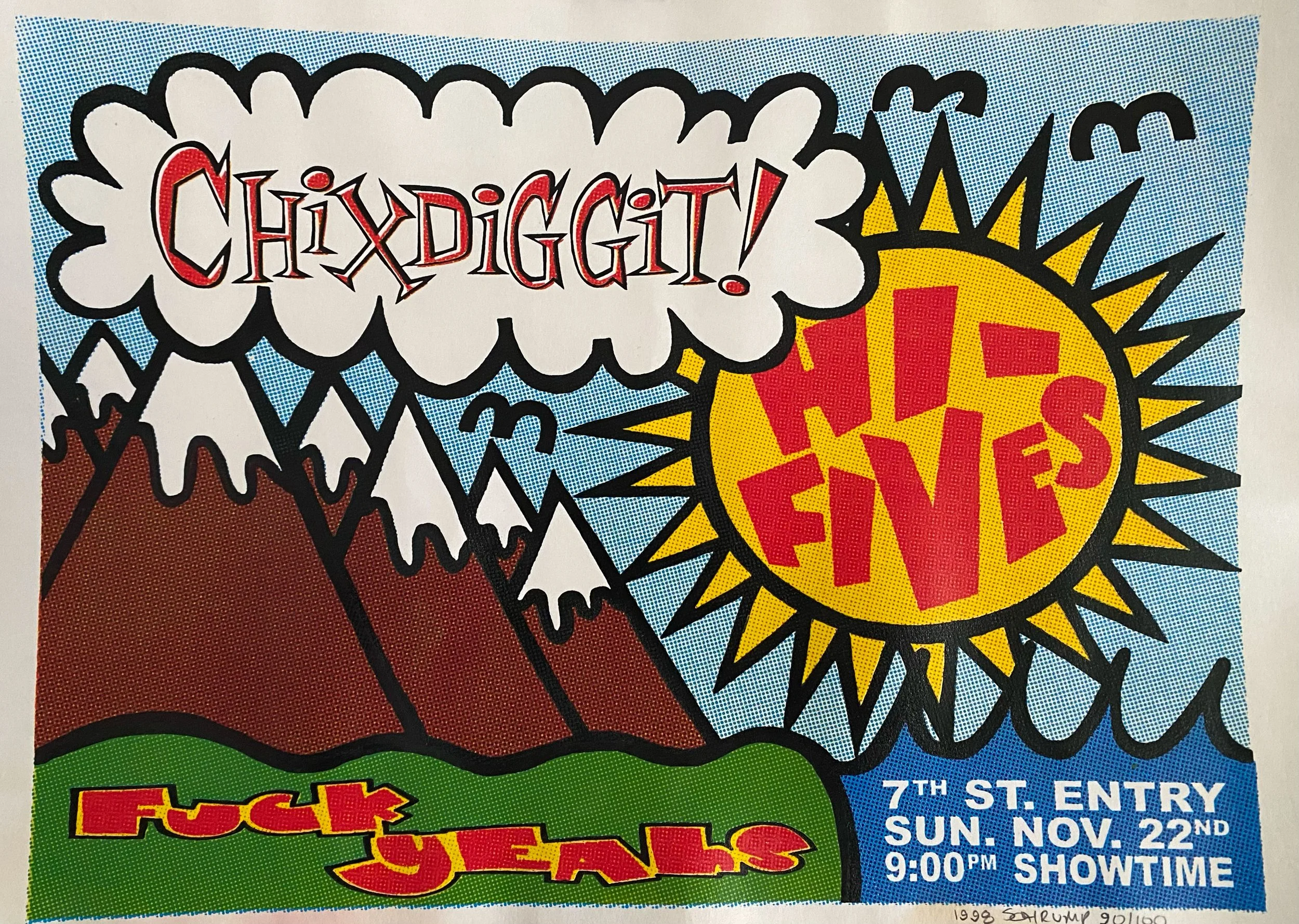
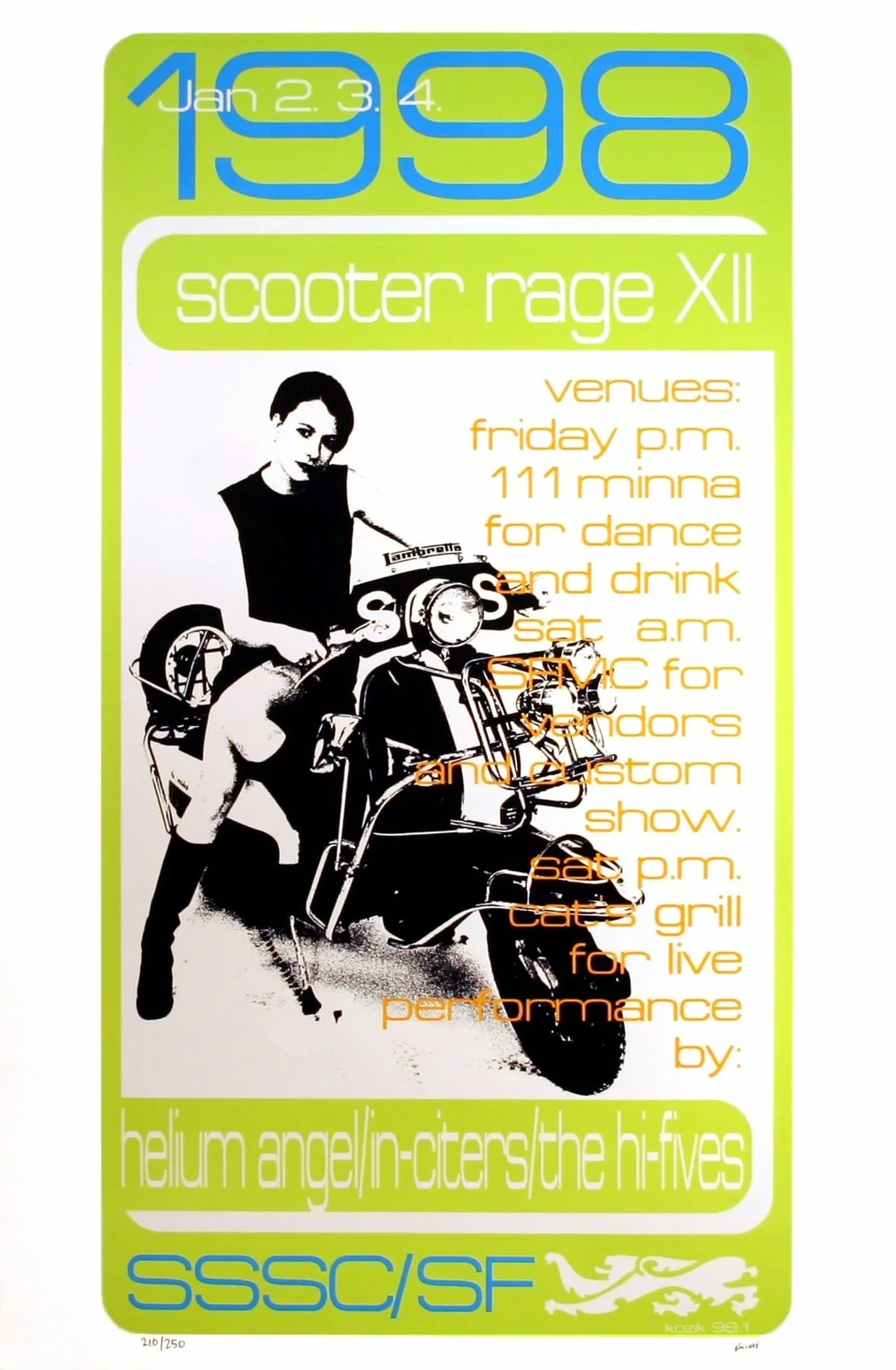
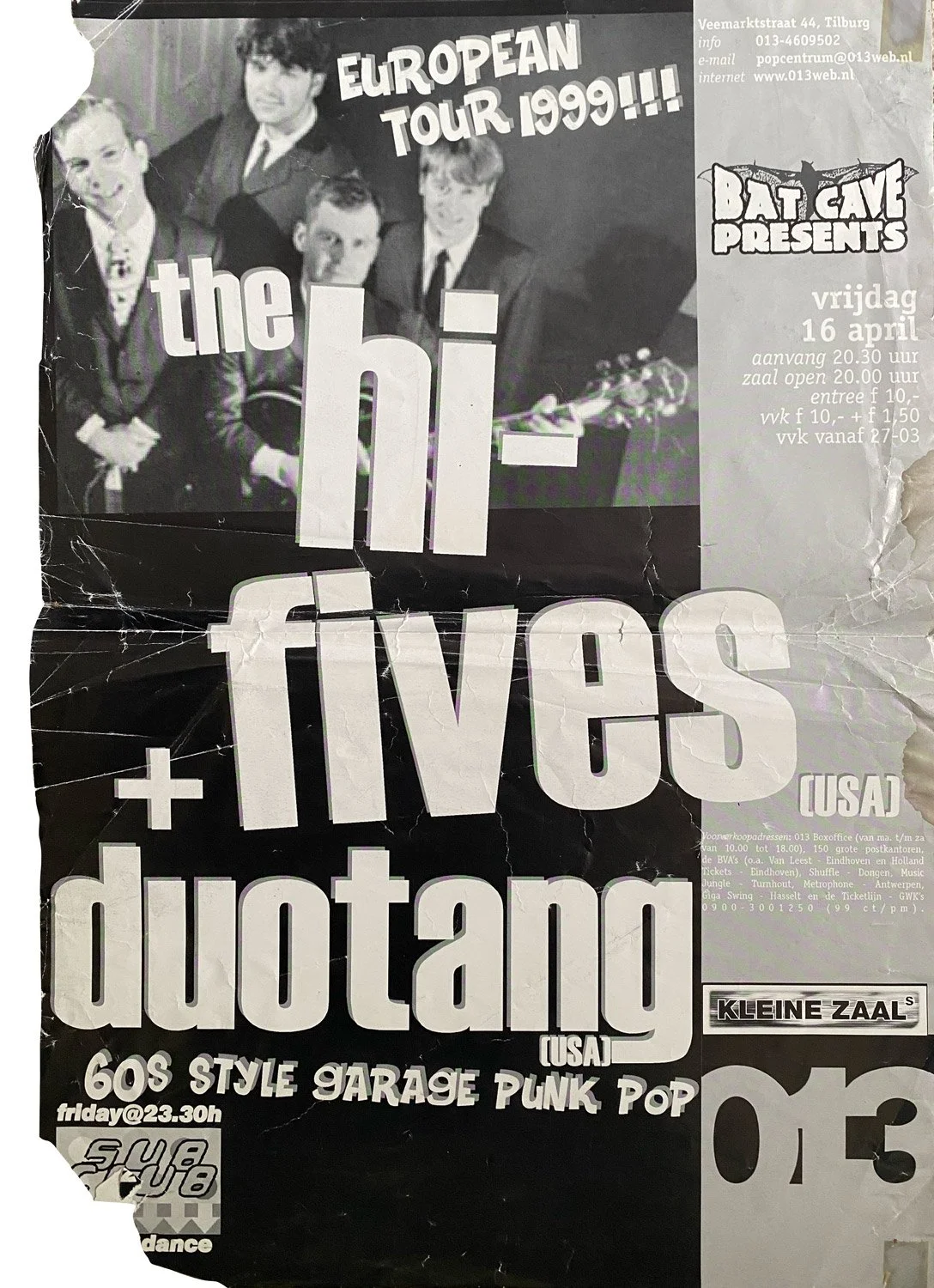
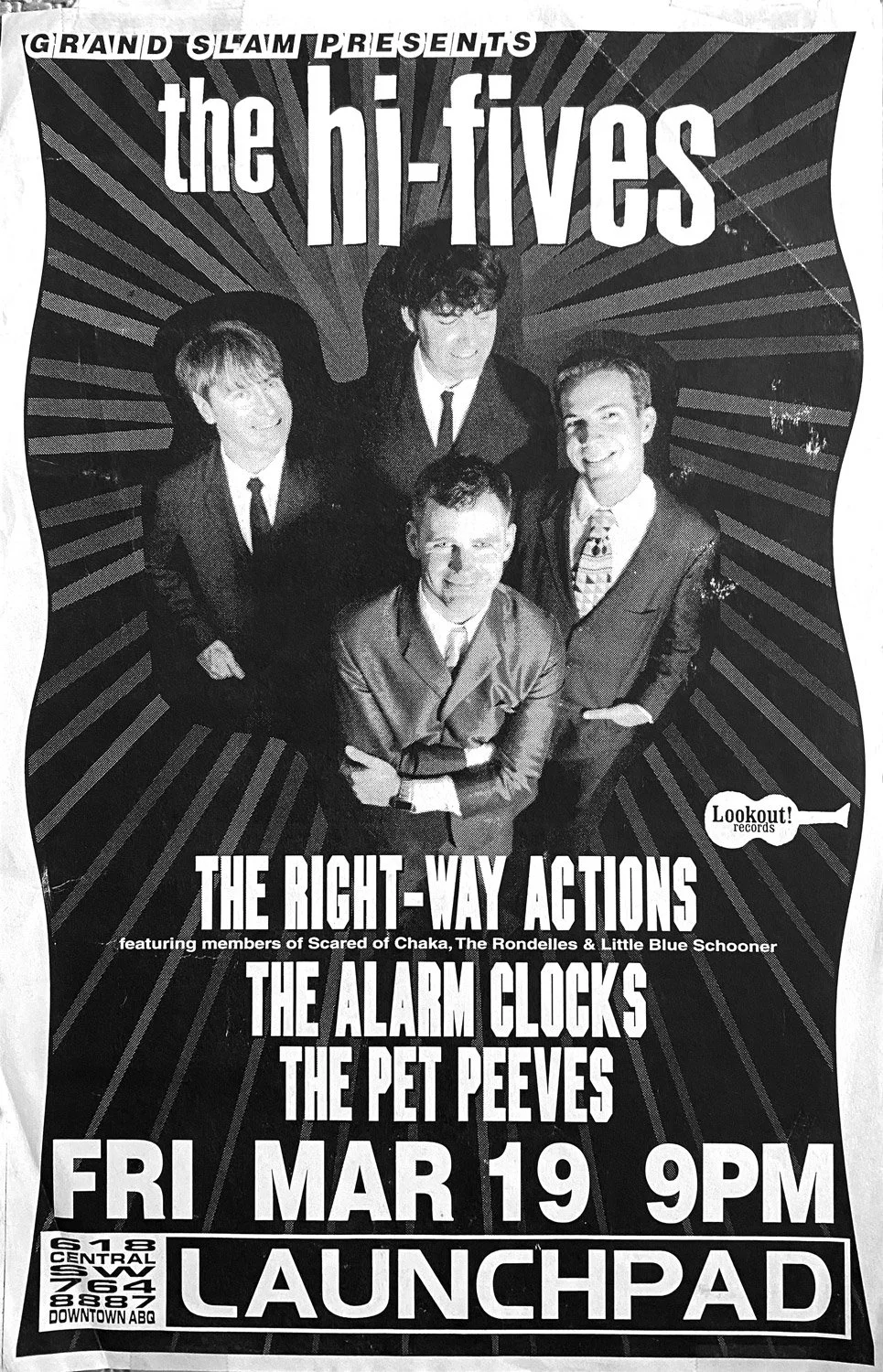
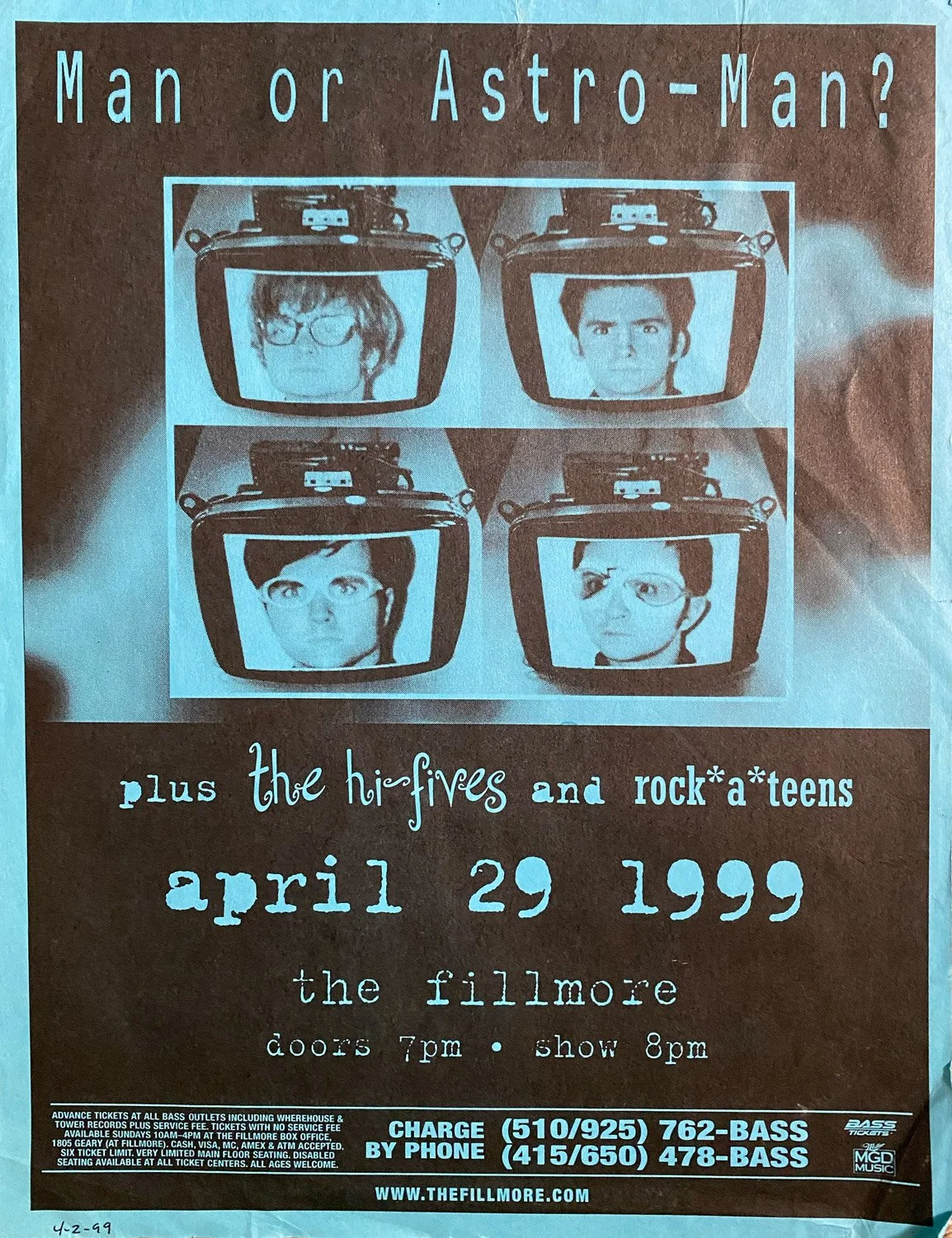
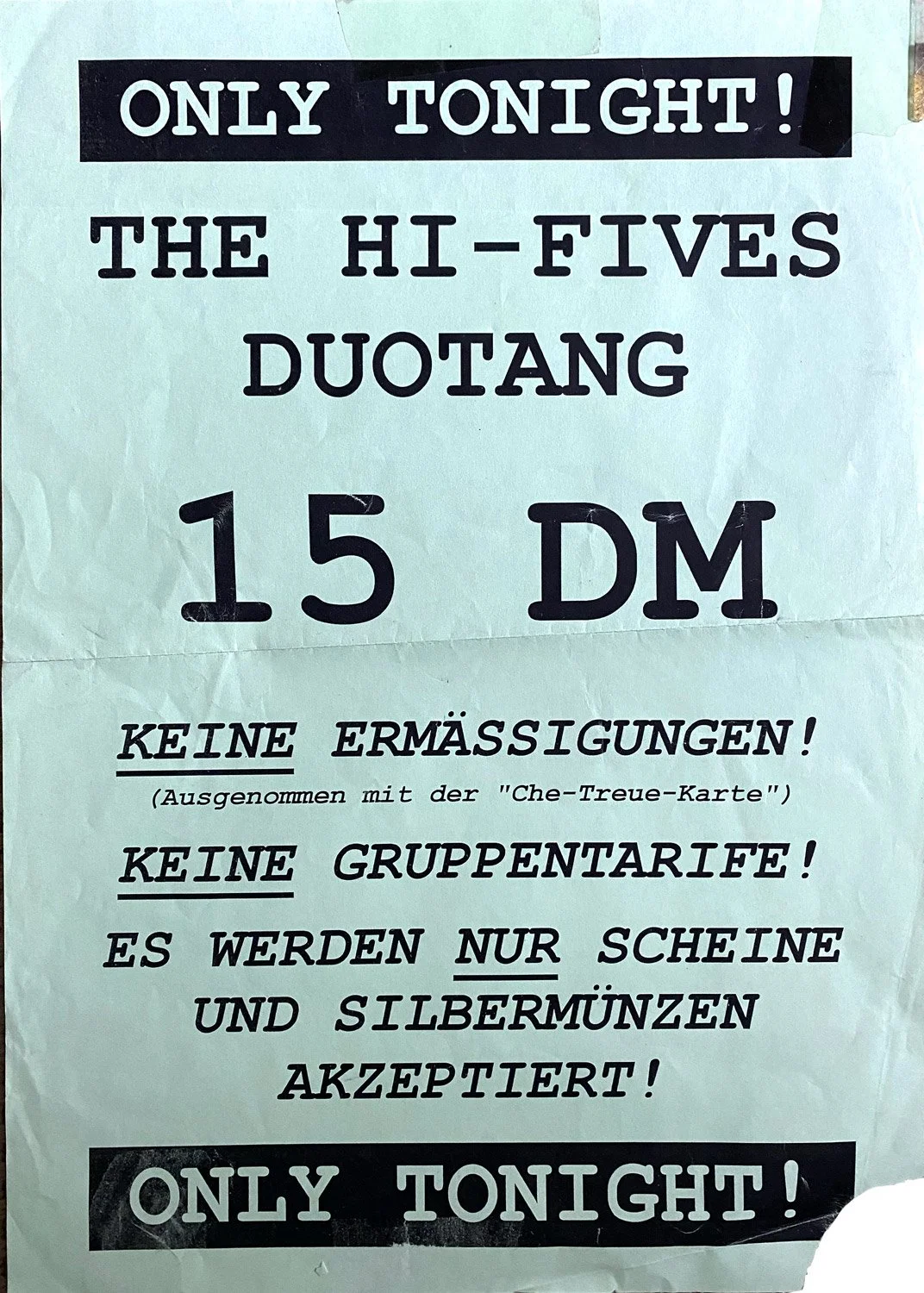
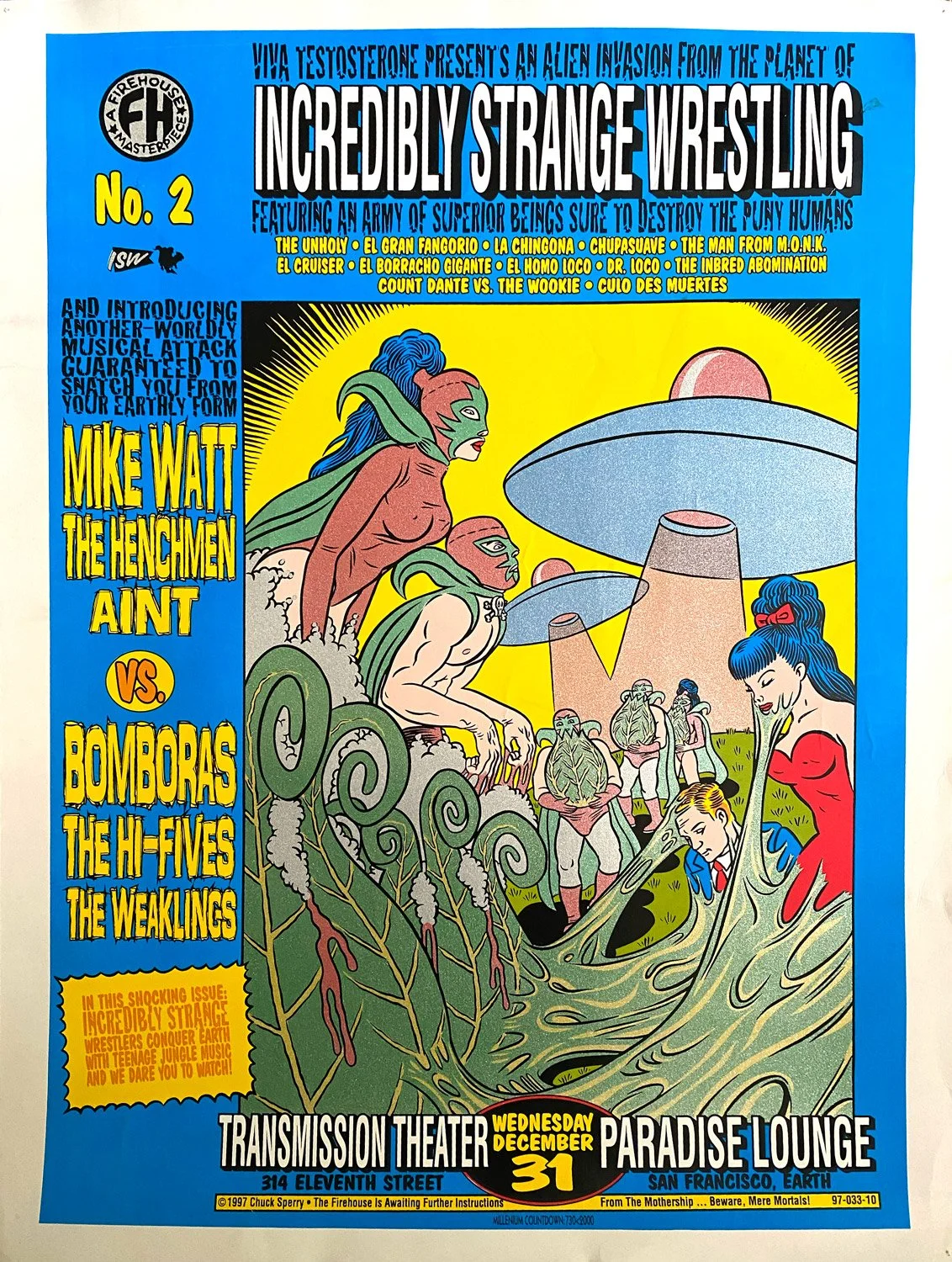
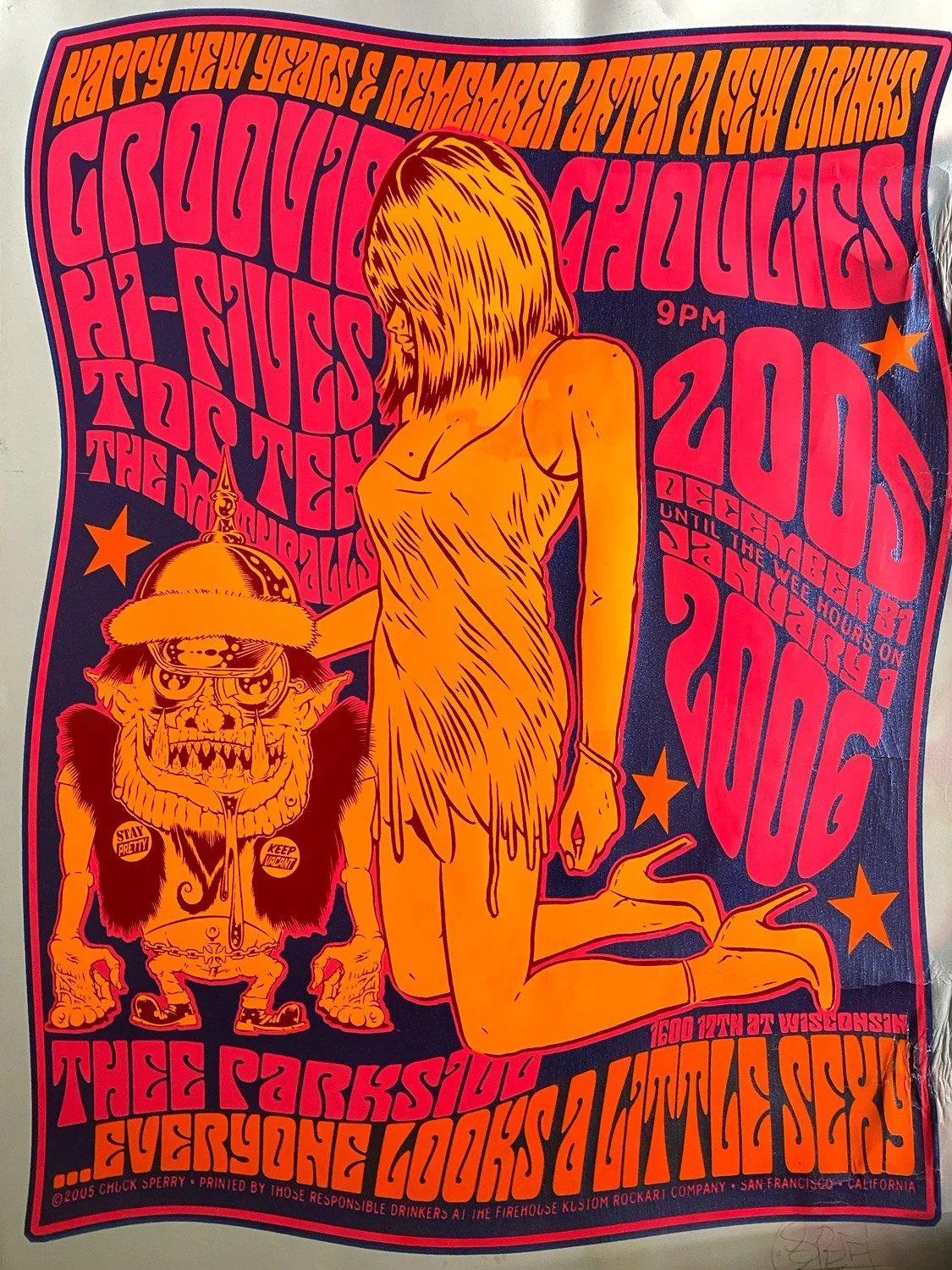
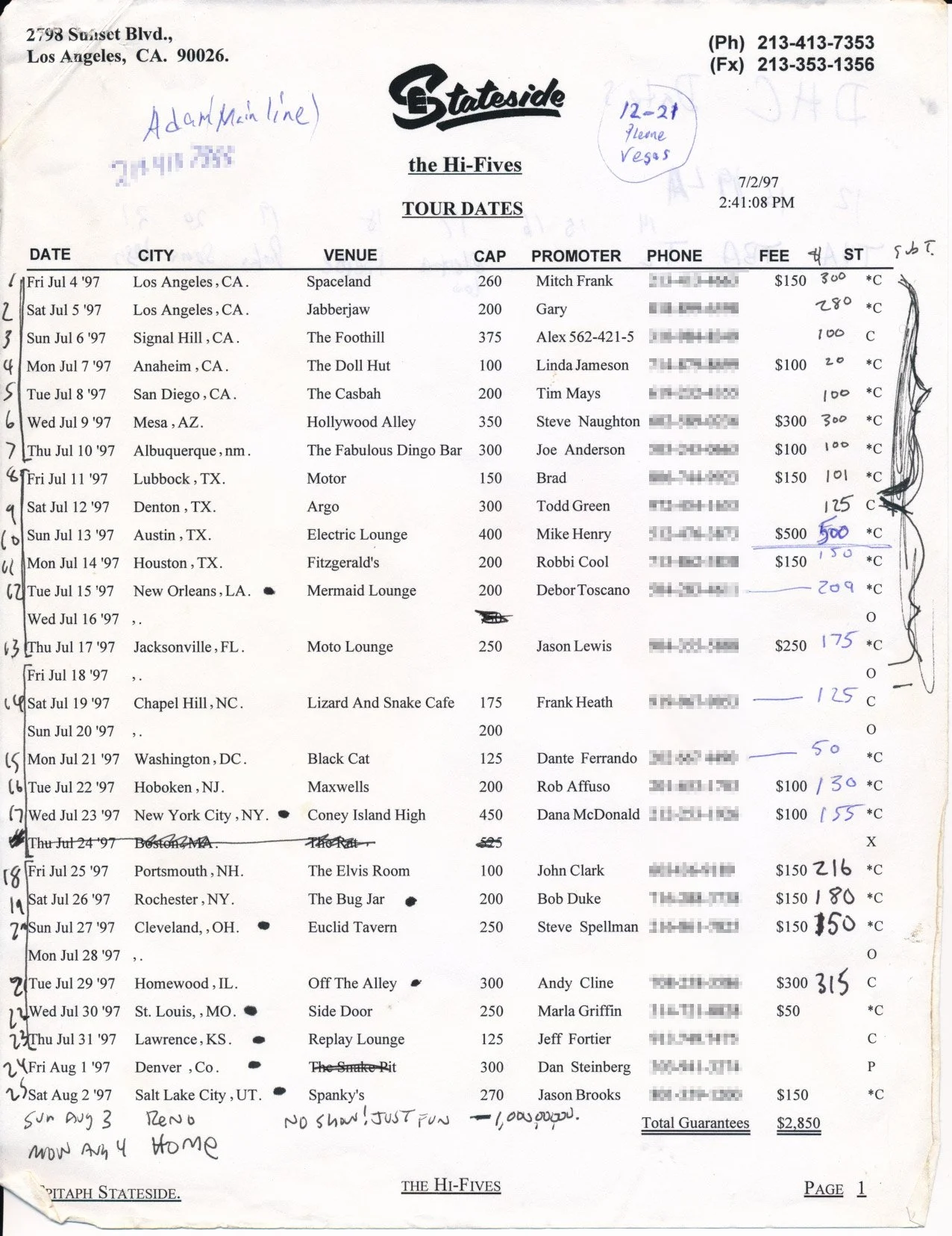
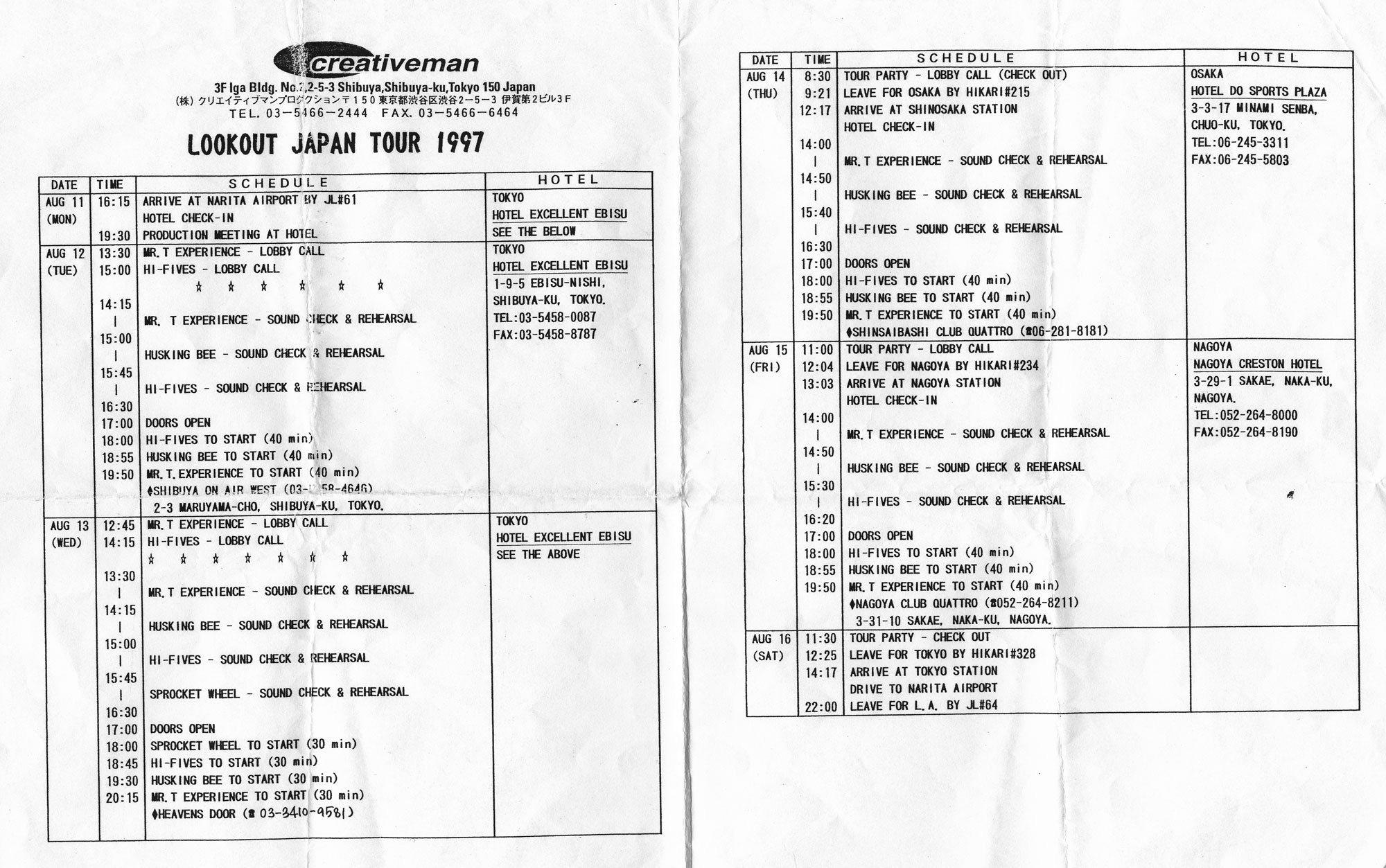
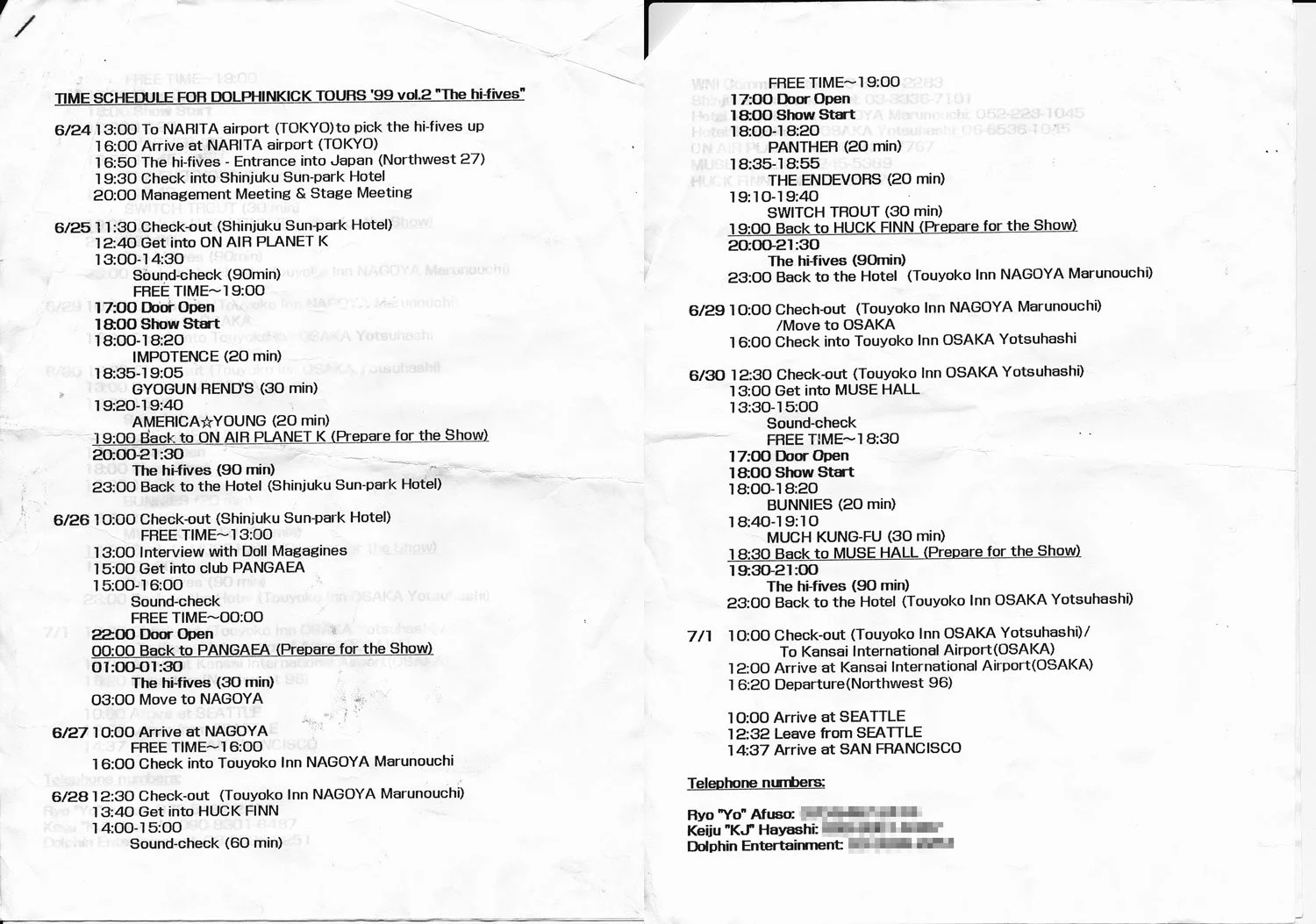
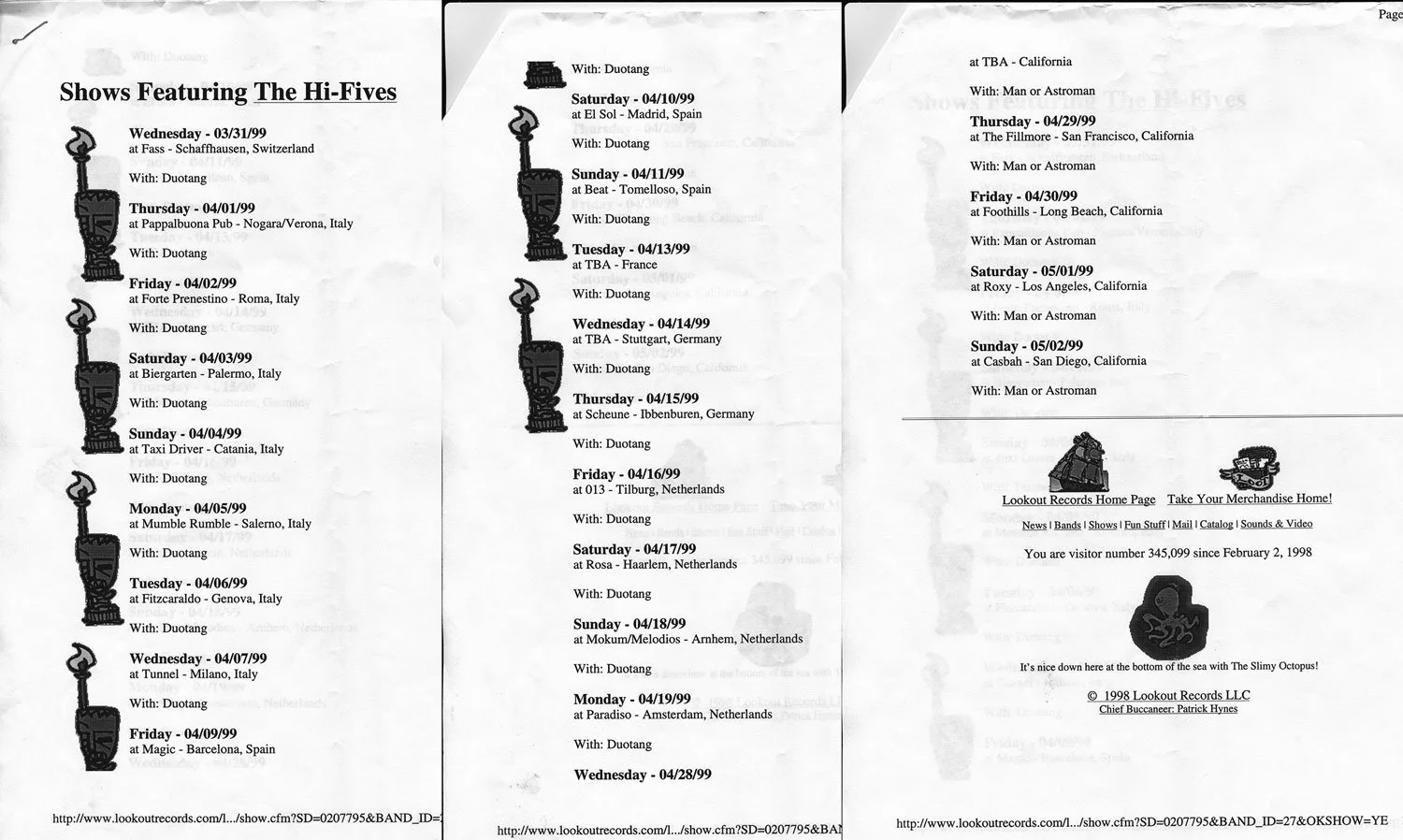
Flyers and posters for the Hi-Fives






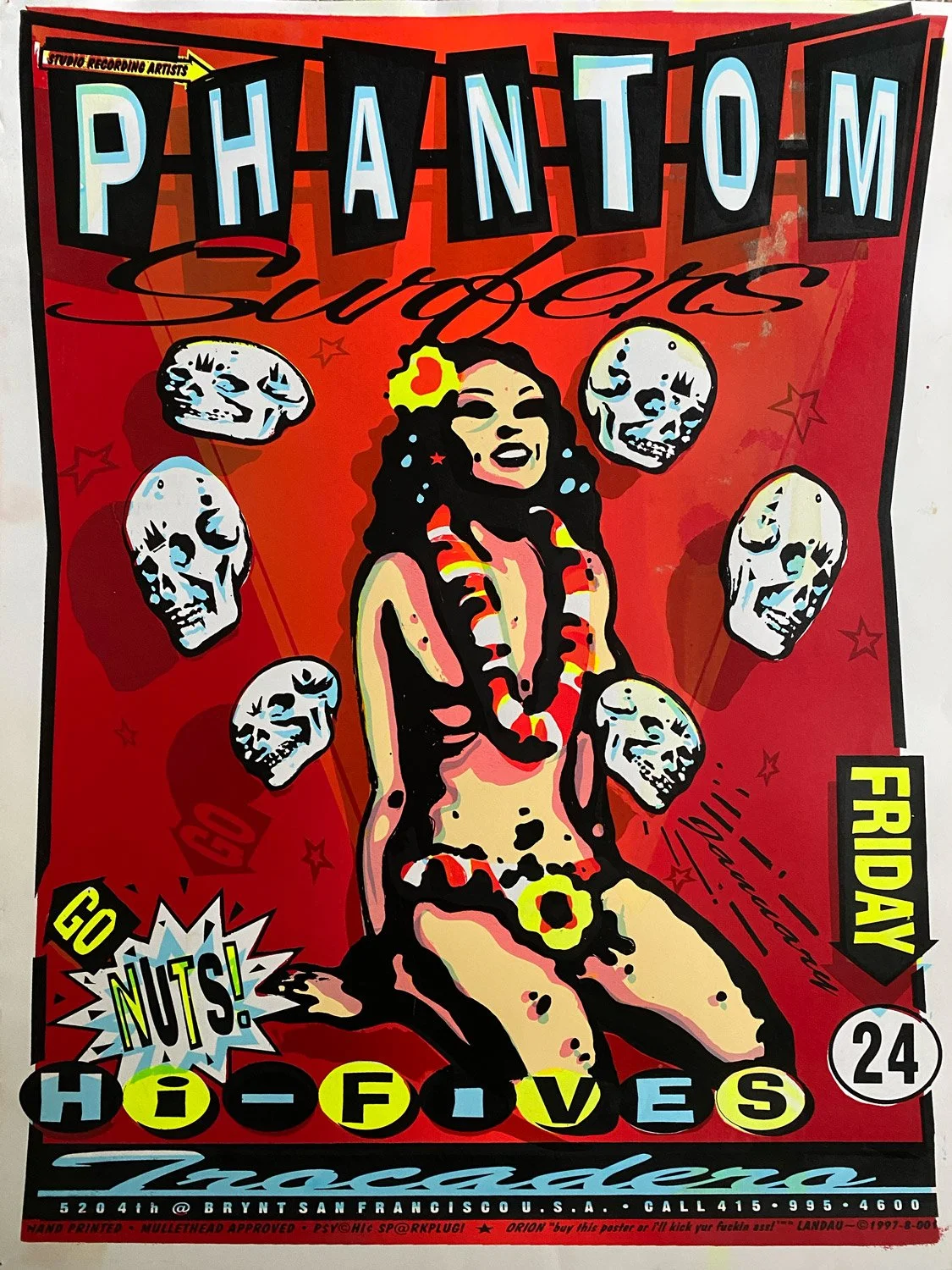
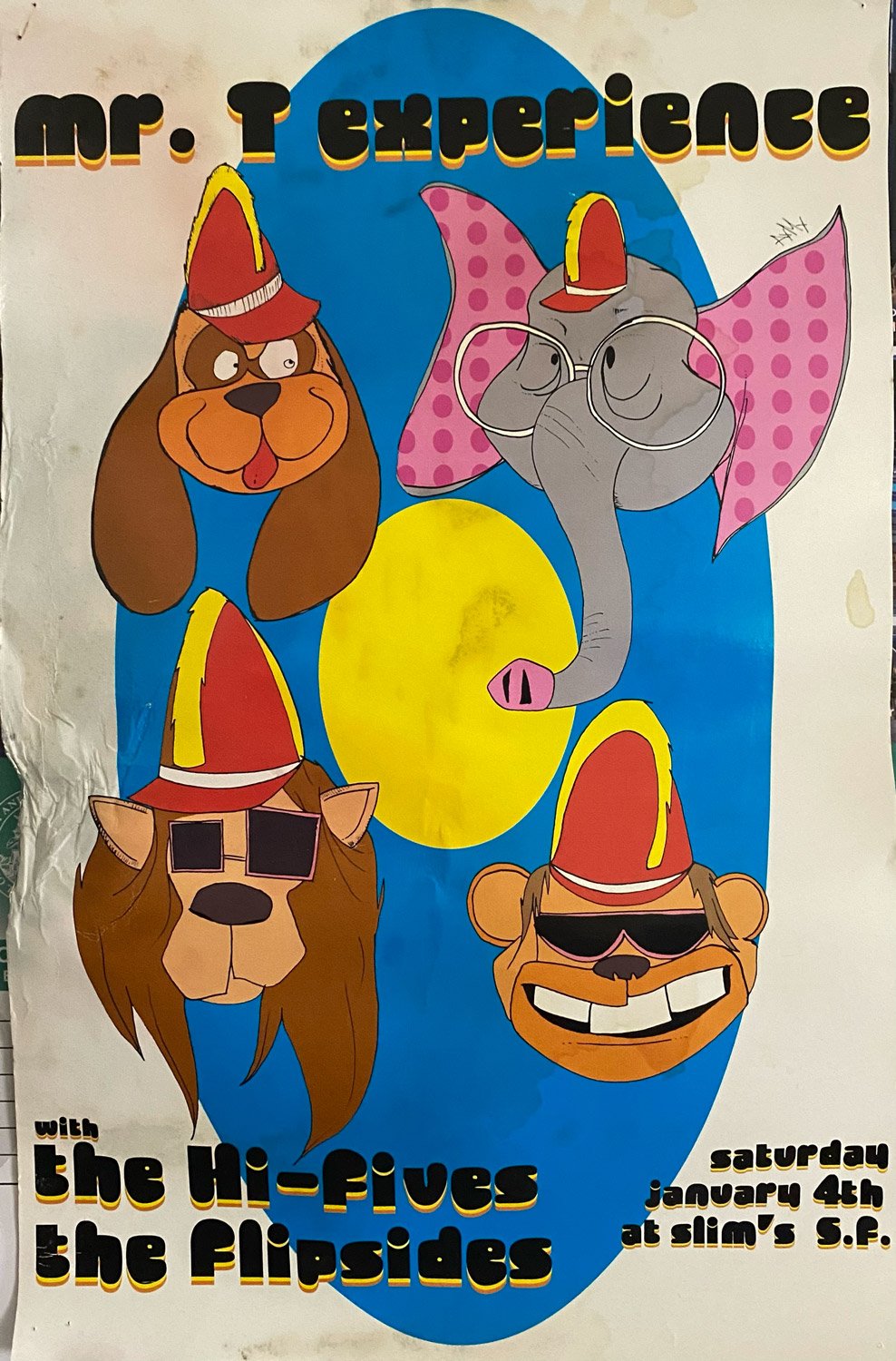
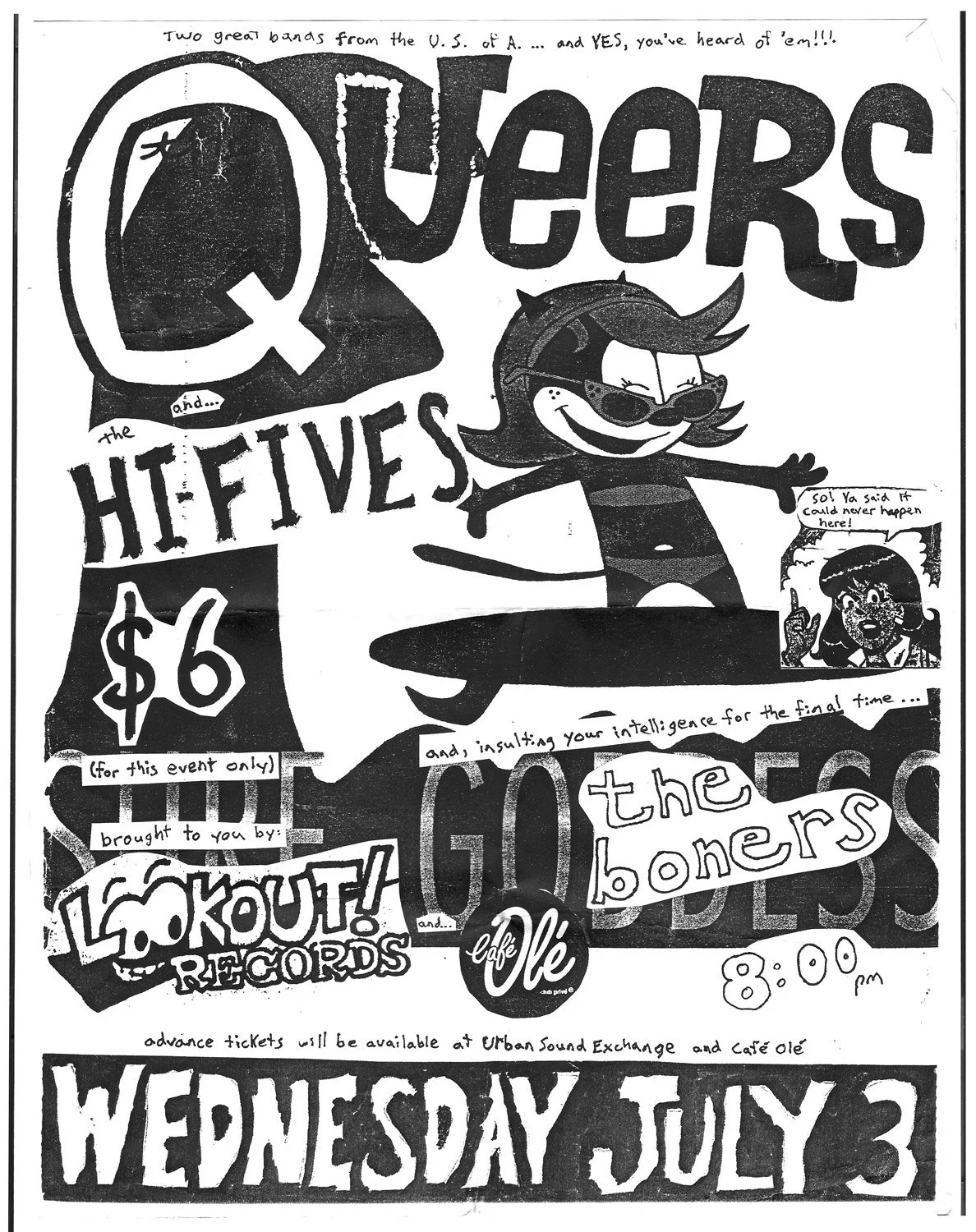
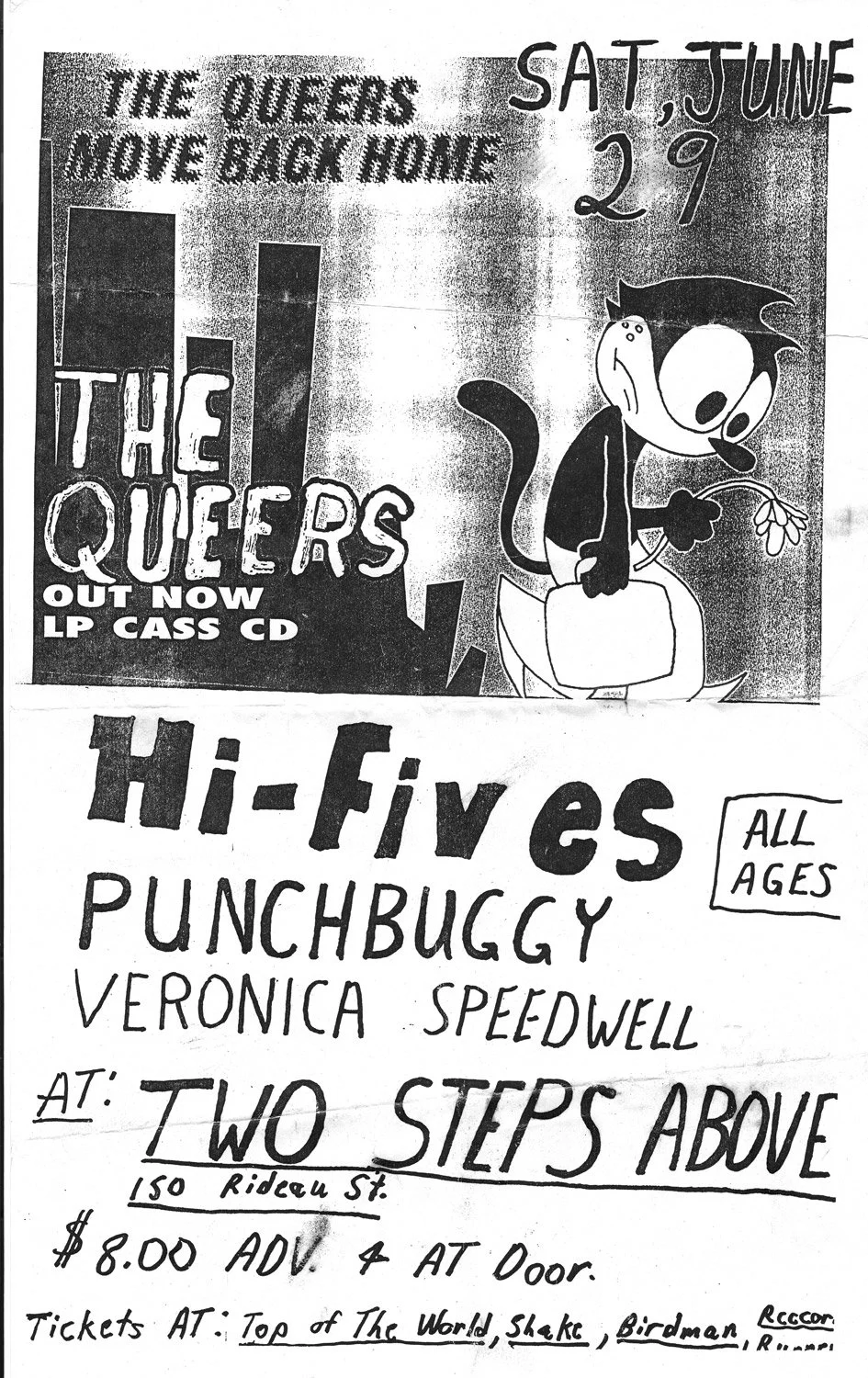
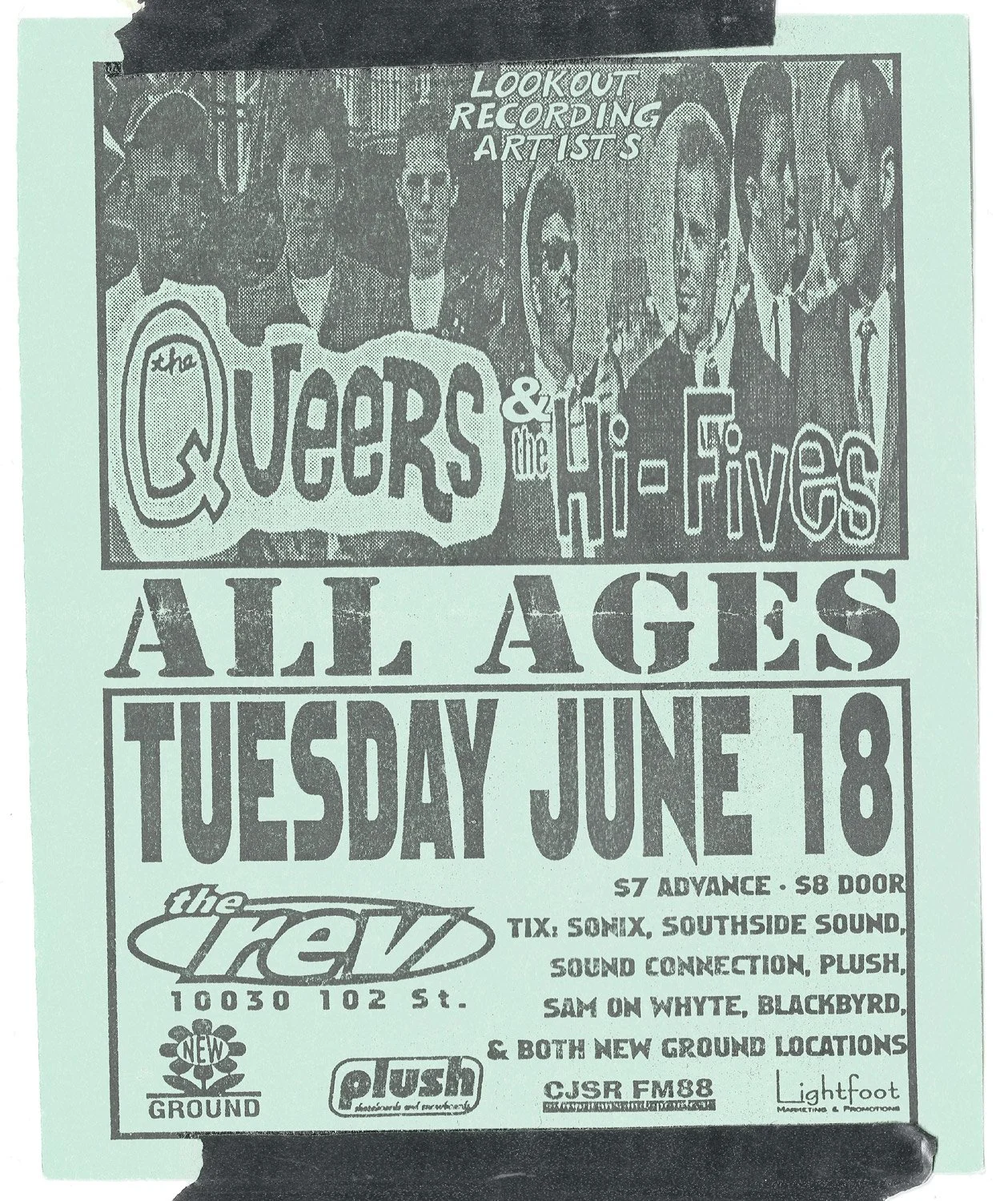
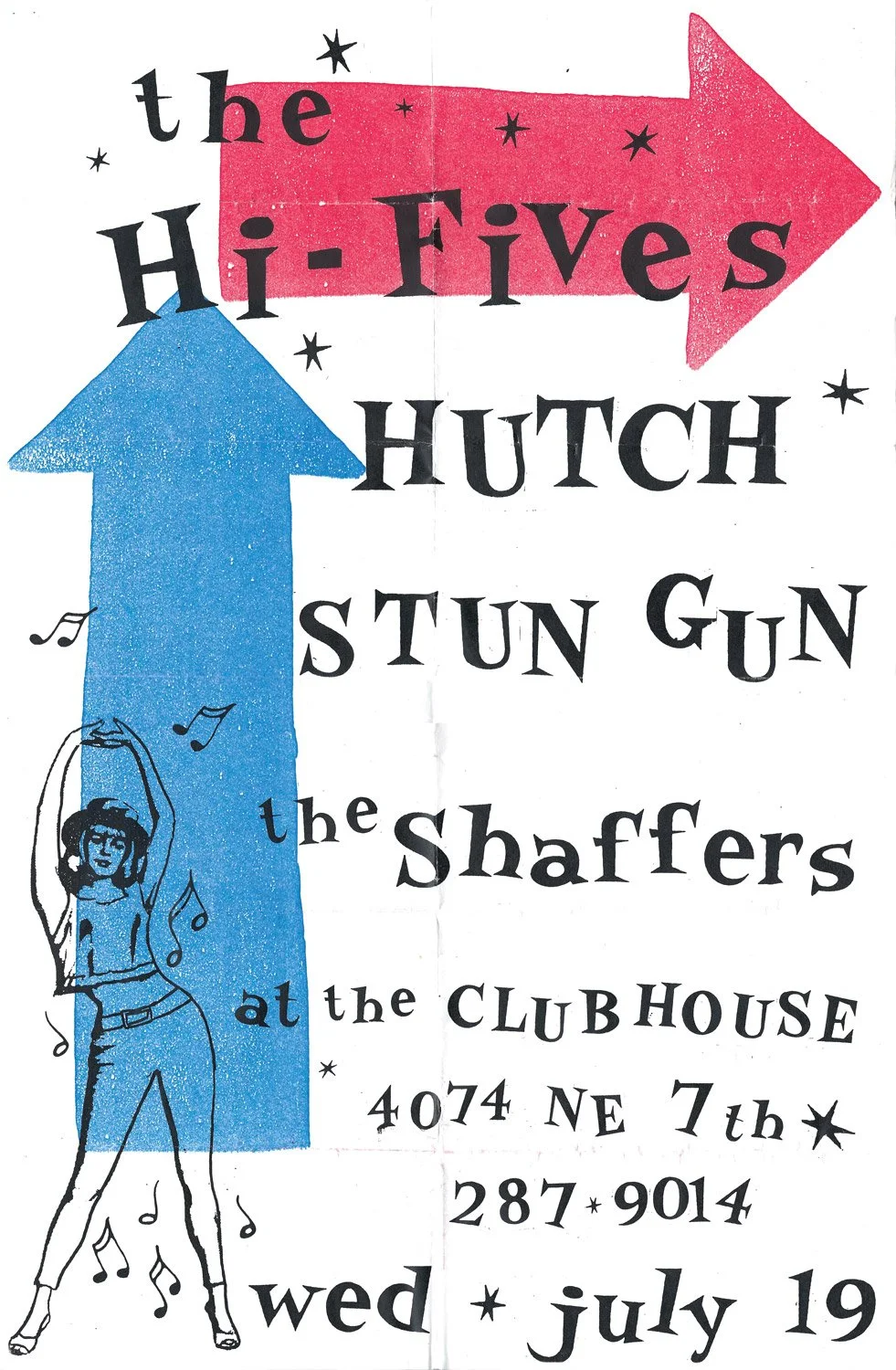
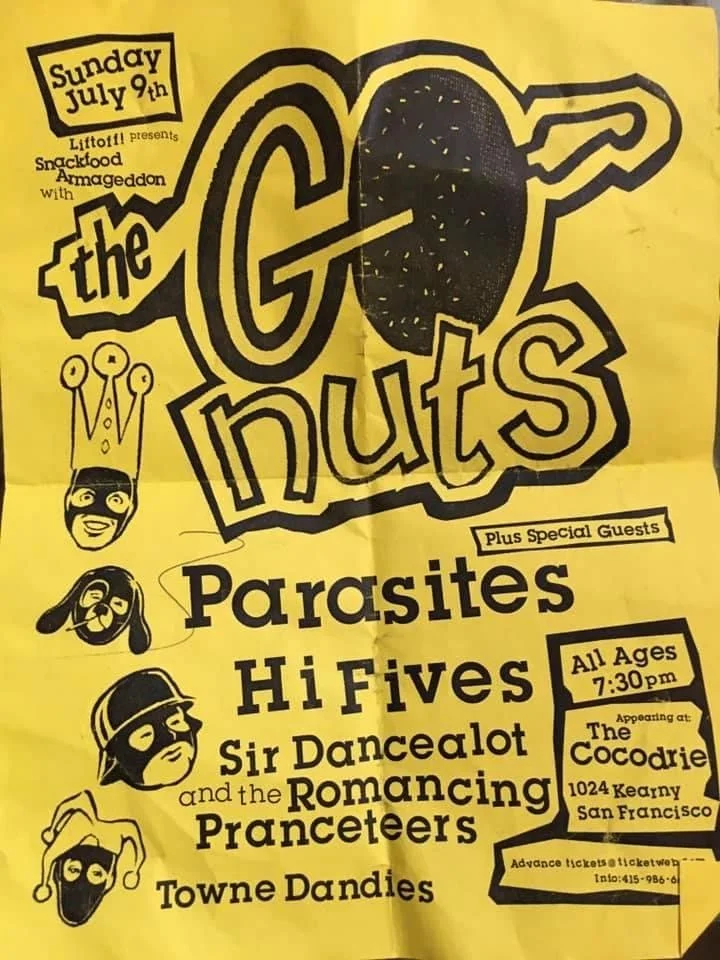
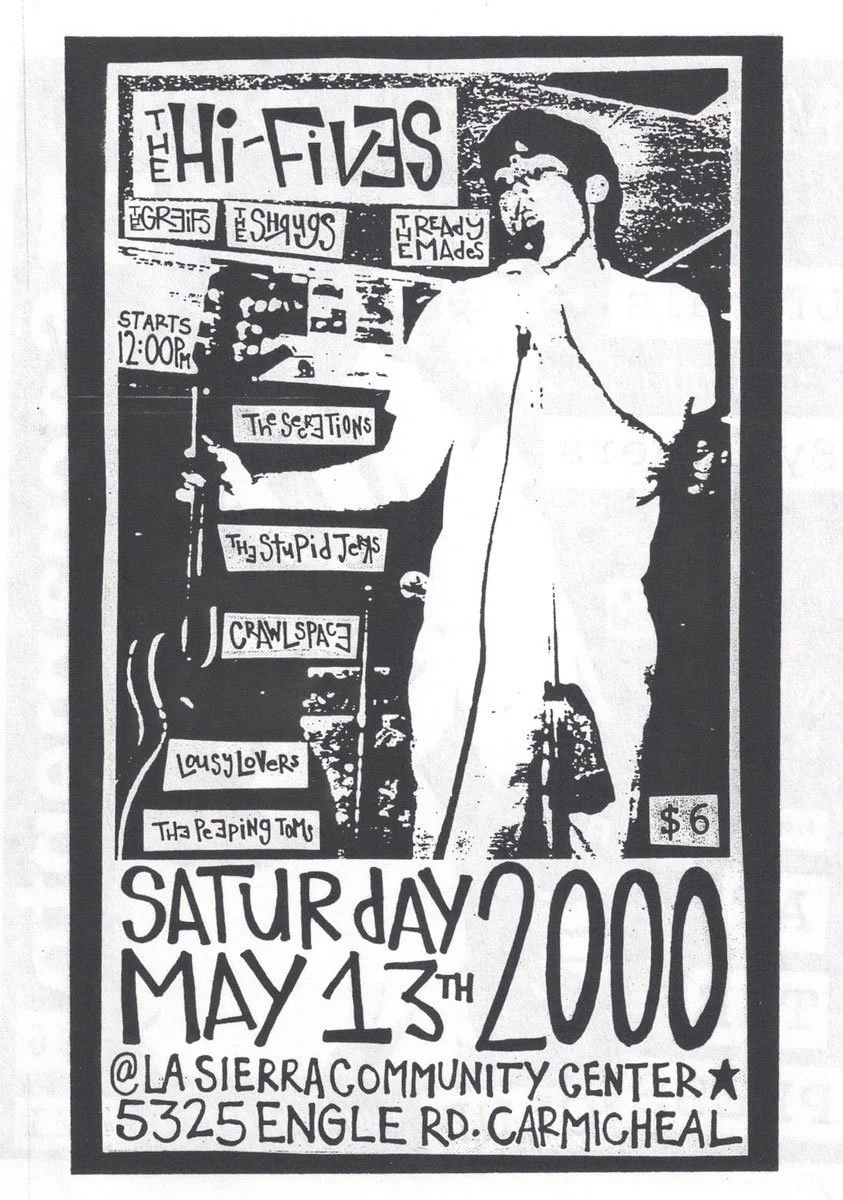
A collection of 7-inch covers, inserts, and record labels...


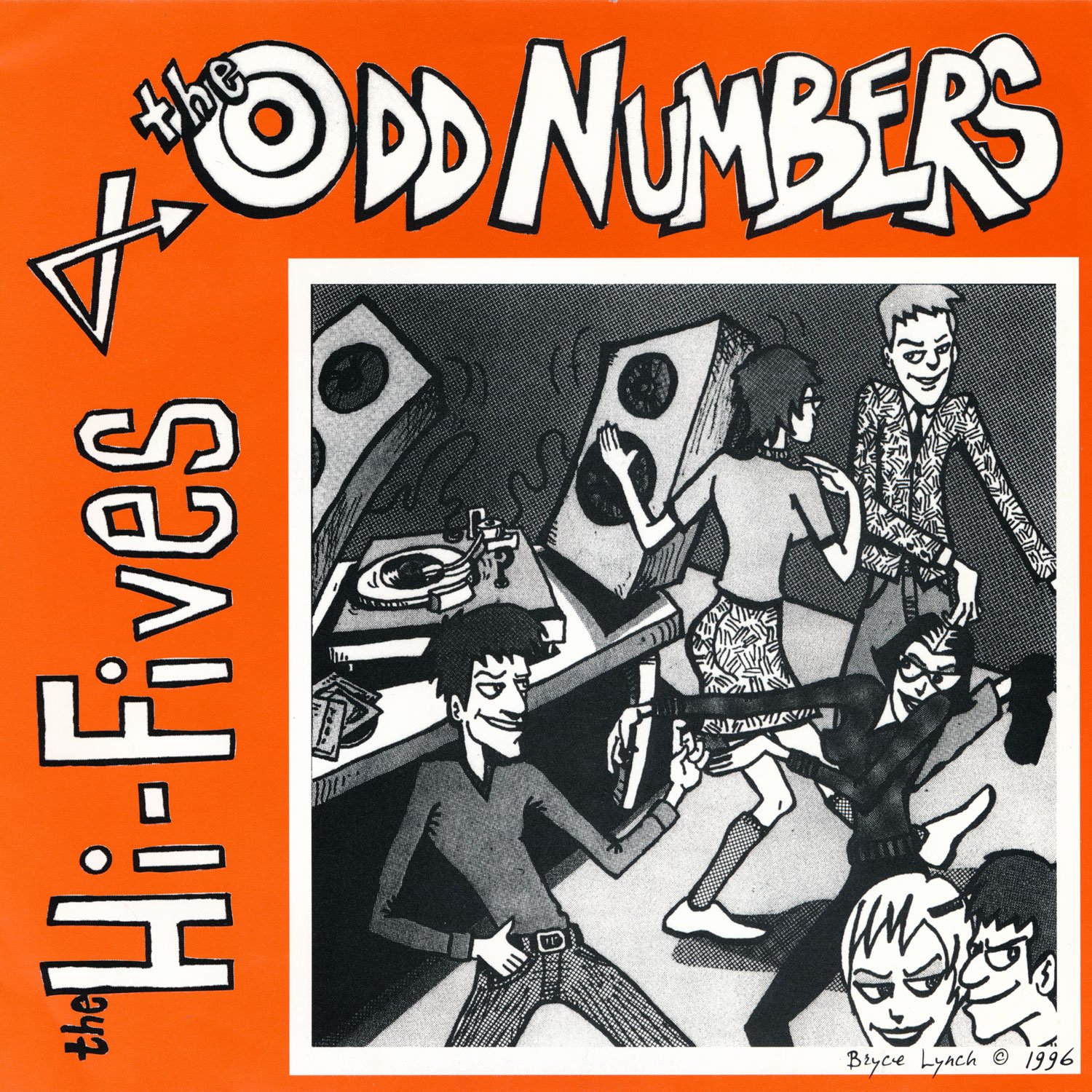
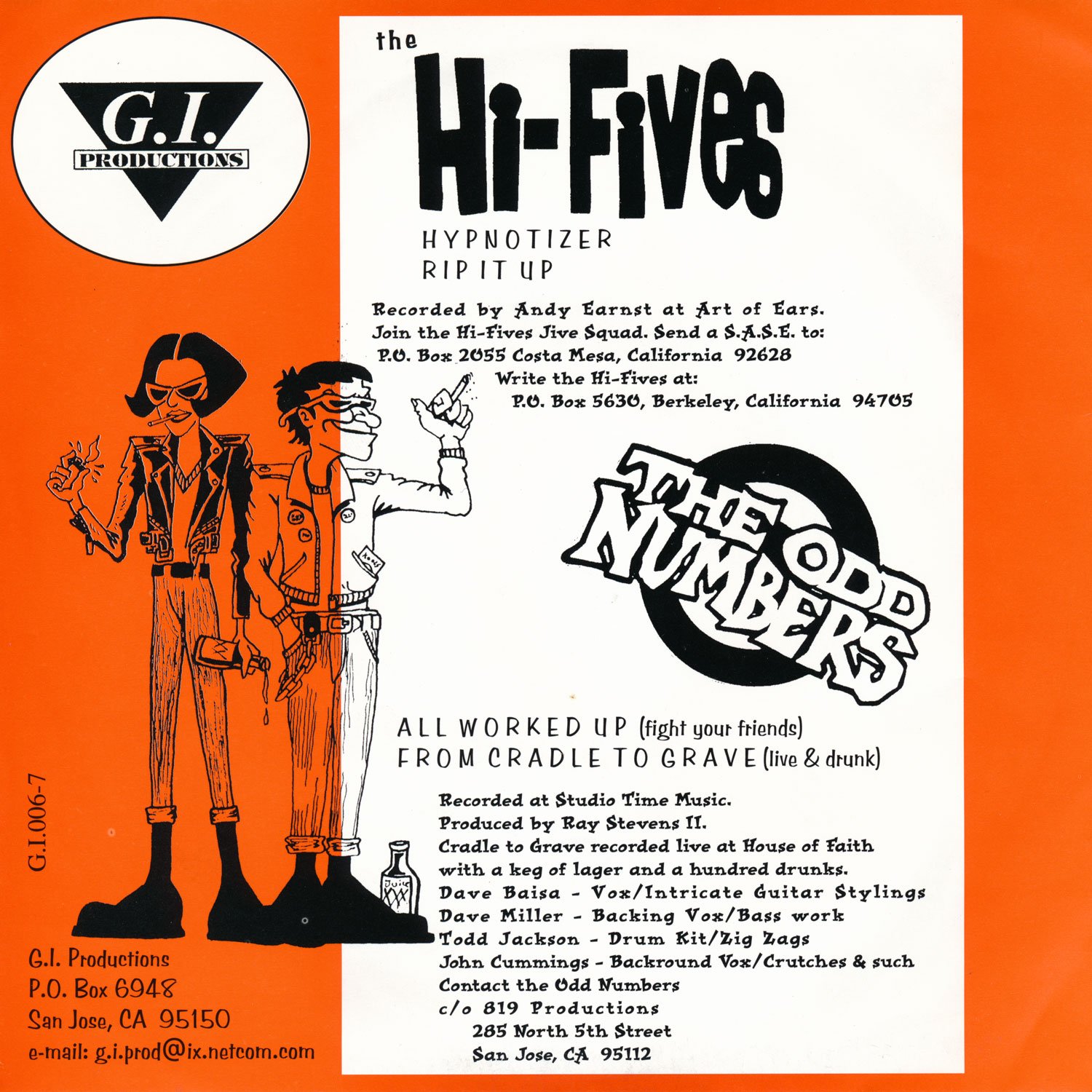


Ephemera


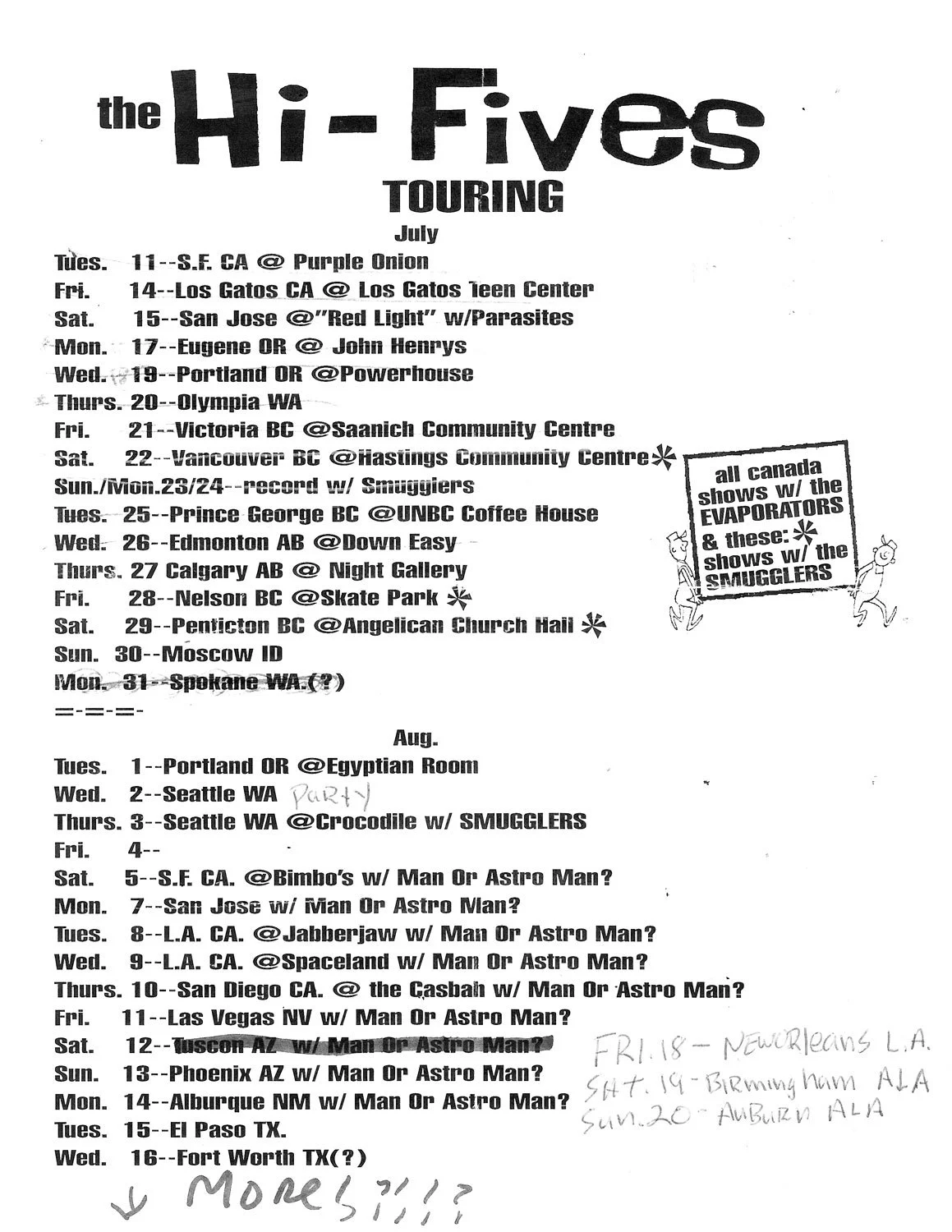
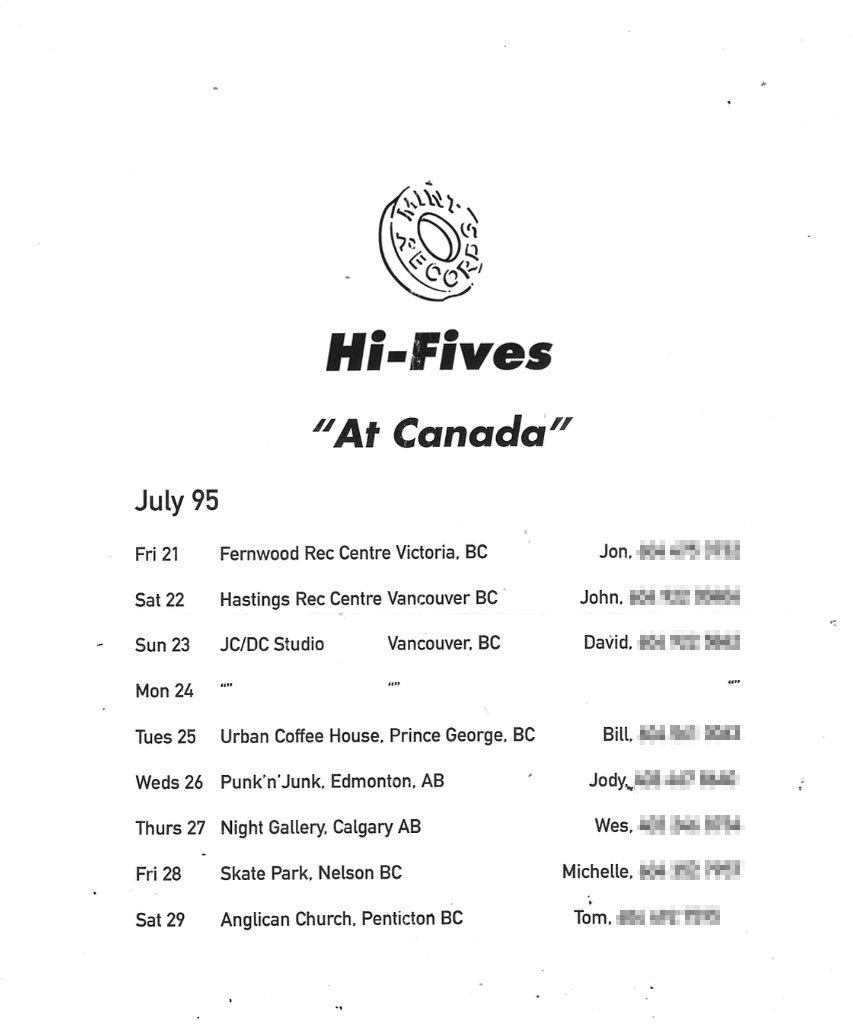








Hi-Fives Interview: "Did you change your mind about us?"
Interviewed by: Akira Takeuchi
Photo by: Eri Shibata
(Location/Date: June 26th, 1999 / Shinjuku JAM)
Dressed in their usual style—looking like worn-out office workers—they took the stage. With the release of the Japanese edition of their album "Get Down," they embarked on a domestic tour of various locations. Though small in scale, it was a "full service" state of affairs. I was truly surprised by the number of fans packing the venues. Between the rainy season and the heat of the audience, the live house floor was soaking wet. Seeing them cracking silly jokes and messing around, surrounded by fans who looked like their own siblings, it felt like a conversation among a warm circle of friends. I tried joining in to see how it felt.
Interviewer: It’s been almost two years since you last came to Japan.
CHRIS (G & Vo, hereafter C): Yeah, I guess. We bought new suits. Well, looking from the outside you probably can’t tell, but they are new suits (laughs). Also, you guys started drinking beer from noon, so I was a bit worried (laughs).
JOHN (Vo & G, hereafter J): We made a video for the first time too.
Interviewer: A video clip? What kind?
J: Yeah. Recently LOOKOUT released a video compilation. And lately, we went to Europe on tour.
C: That was just recently, in April.
Interviewer: Speaking of which, on the Hi-Fives' 1st album, there was a song singing about that tour ("Let’s Hear A Cheer").
J: That was the ’94 Europe tour with the QUEERS, but we put out a Split EP later... we wrote that song because the tour actually got cancelled. The QUEERS called and said "We quit," so we just put the song on the album instead...
Interviewer: I see. So, regarding this album "Get Down," when was it recorded?
J: Um, the recording was last year, July... We recorded it at a studio in San Francisco. It’s a place Frank Sinatra used to use back in the day.
GARY (Dr, hereafter G): The mics and other equipment were really old, it was analog, and it’s a studio that really fit our sound.
C: The ceilings were really high, and it was spacious. It had a distinct sound, almost like Abbey Road.
Interviewer: Come to think of it, this was the first recording with this lineup. How was it?
J: Well, we should have been able to do it better, but... (laughs)
STEPHEN (B, hereafter S): Well, we can only sing as well as the dog barks...
C: We sang exactly as the dog barked (laughs).
[Interview Column 2]
Interviewer: Until now, John and Chris kept changing band names every time a member changed. But since becoming Hi-Fives, despite member changes, you’ve kept this name.
J: Until now, changing members meant the band wasn't that big of a deal to us. So we changed band names constantly. Or rather, we just kept firing members...
C: We just got tired of changing the band name (laughs).
S: "Kicking them out" is a scary way to say it. "Left the band" is a softer way to say it, isn't it? (laughs)
C: Actually, for the single's jacket idea, John and I discussed a lot of things. We thought about having John holding an axe, with the severed heads of past members rolling at his feet (laughs).
S: Ah, that might have been good (laughs).
C: Yeah, and then you guys (Stephen and Gary) would be shivering in the corner watching it happen (laughs).
Interviewer: And this time, you played piano instead of the usual keyboard/organ?
C: That just happened to be sitting in the studio. A huge grand piano. It's not like I can really play piano, but I played it four-hands with the producer's girlfriend.
S: Speaking of that, we recorded THE BEATLES' "Misery" for a compilation, and Chris played half the piano solo, but the rest was played by Klaus Flouride from DEAD KENNEDYS.
C: He was the engineer. Now he's doing a country-ish band.
Interviewer: Heh, that's a surprising connection. Speaking of unexpected, Russel Quan from BOBBYTEENS plays harmonica too.
C: We didn't really ask him to... he just did it (laughs).
S: He's the only guy we know who plays harmonica.
Interviewer: Is there a connection with BOBBYTEENS or the surrounding garage bands?
J: Just a little bit now.
G: The "Bay Area" garage scene has really shrunk to just a handful. The connection with Russel is from his previous band (Ne'er Do Wells), and he played with PURPLE ONION too. So we played with garage bands together.
J: But bands like PURPLE ONION are gone now.
Interviewer: Amidst that stagnation of the garage scene, is it hard to operate?
J: Definitely, garage bands seem to be disappearing, but we never really cared about what "scene" we were in or anything like that.
J: We mainly perform in living rooms (laughs).
[Interview Column 3]
S: Saying "Living Room" sounds better than saying "Hall" (laughs).
J: When we went to Europe, we were introduced differently in various places, like Garage or Pop-Punk. That said, the "live houses" (venues) themselves where garage bands can play are decreasing, so that might be one cause of the decline...
J: Recently, "ROCK" type bands are becoming mainstream.
S: Like a 60s-70s movement. I listen to that too...
S: For sure, MC5 and bands like that are becoming influential...
J: For example? What kind of sound did you hear?
Interviewer: Hmm... compared to old Hi-Fives sounds, I felt a stronger ROCK color...
J: For me, this album was made song-by-song—Garage Punk, Pop Punk—so this album has a sound like the old Ne'er Do Wells era. I feel like we returned to that. We used a lot of 60s riffs. I accepted it that way...
Interviewer: But, the sound quality is looser than the old sources too.
C: The Ne'er Do Wells era sound was all recorded at home (laughs).
J: This time the production is totally different.
S: It's more like a "hall" or studio sound.
G: More like a "Live Recording" feel.
J: Because the recording method this time was technically like old garage bands recorded. One shot. No headphones or anything.
C: The mic was really far away too. If we made a mistake once, that sound wouldn't be there. So please don't listen too closely (laughs).
Interviewer: About those three songs by Yuzo Kayama (Japanese musician), where did you find them?
C: A member of PHANTOM SURFERS played them for me. I was shocked! Like, "Wow, this existed!". So when I came to Japan before, I bought Yuzo Kayama CDs and studied them.
J: We made Japanese songs too.
Interviewer: "Ohayou Gozaimasu," right? (Included on the Japanese edition).
J: Did you change your mind about us? (laughs)
G: Two of those three bonus tracks were just practice tracks recorded roughly on cassette. It's a very Lo-Fi finish. Or maybe, we are returning to that style of sound again.
Interviewer: Is that so? Well then, what is the schedule after you go back home?
J: We're planning to make an instrumental-only album. Like cover songs, maybe put in some with no vocals.
J: We are planning to record with members of UNTAMED YOUTH. All 50s vintage equipment. It's perfect for us, right?
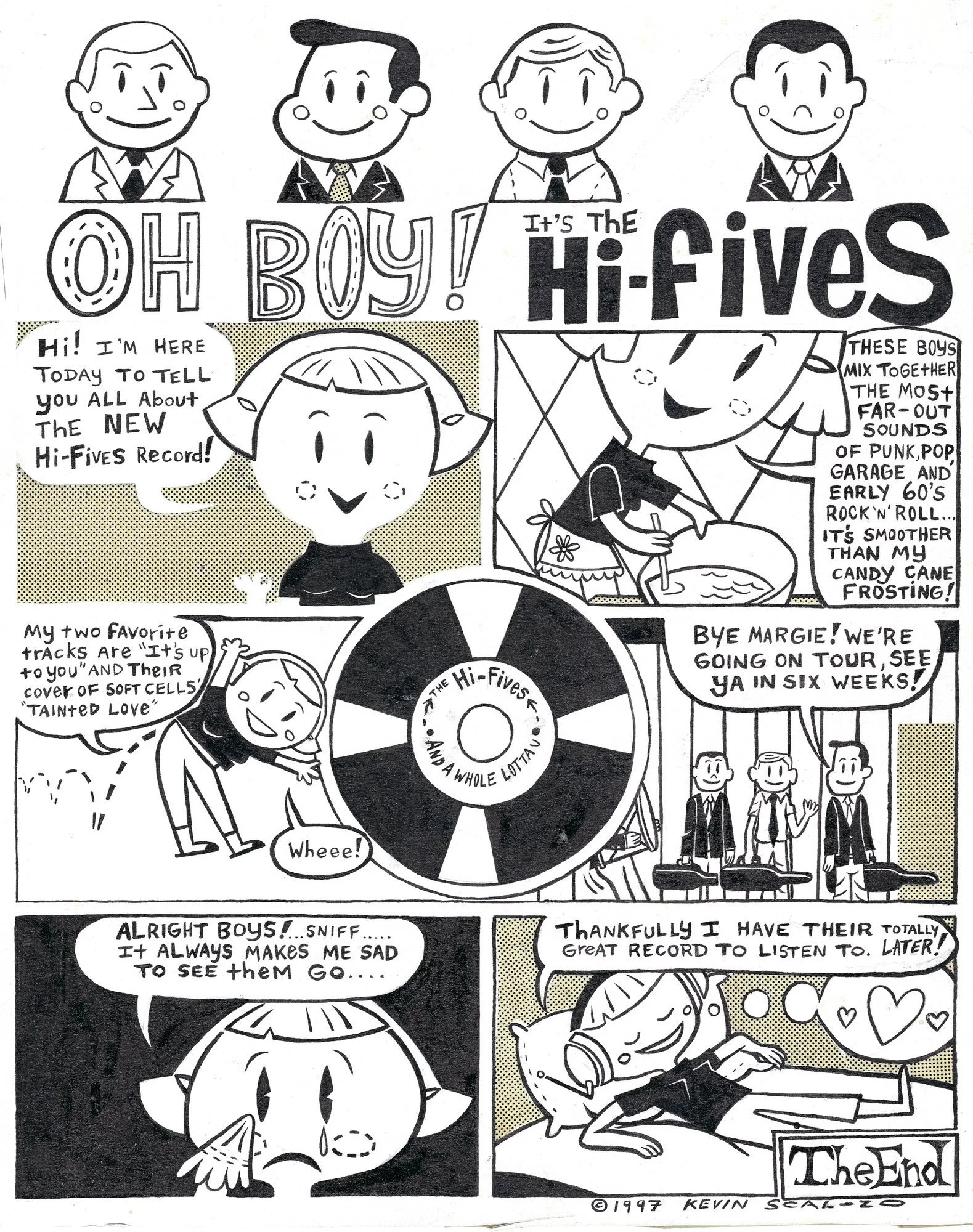
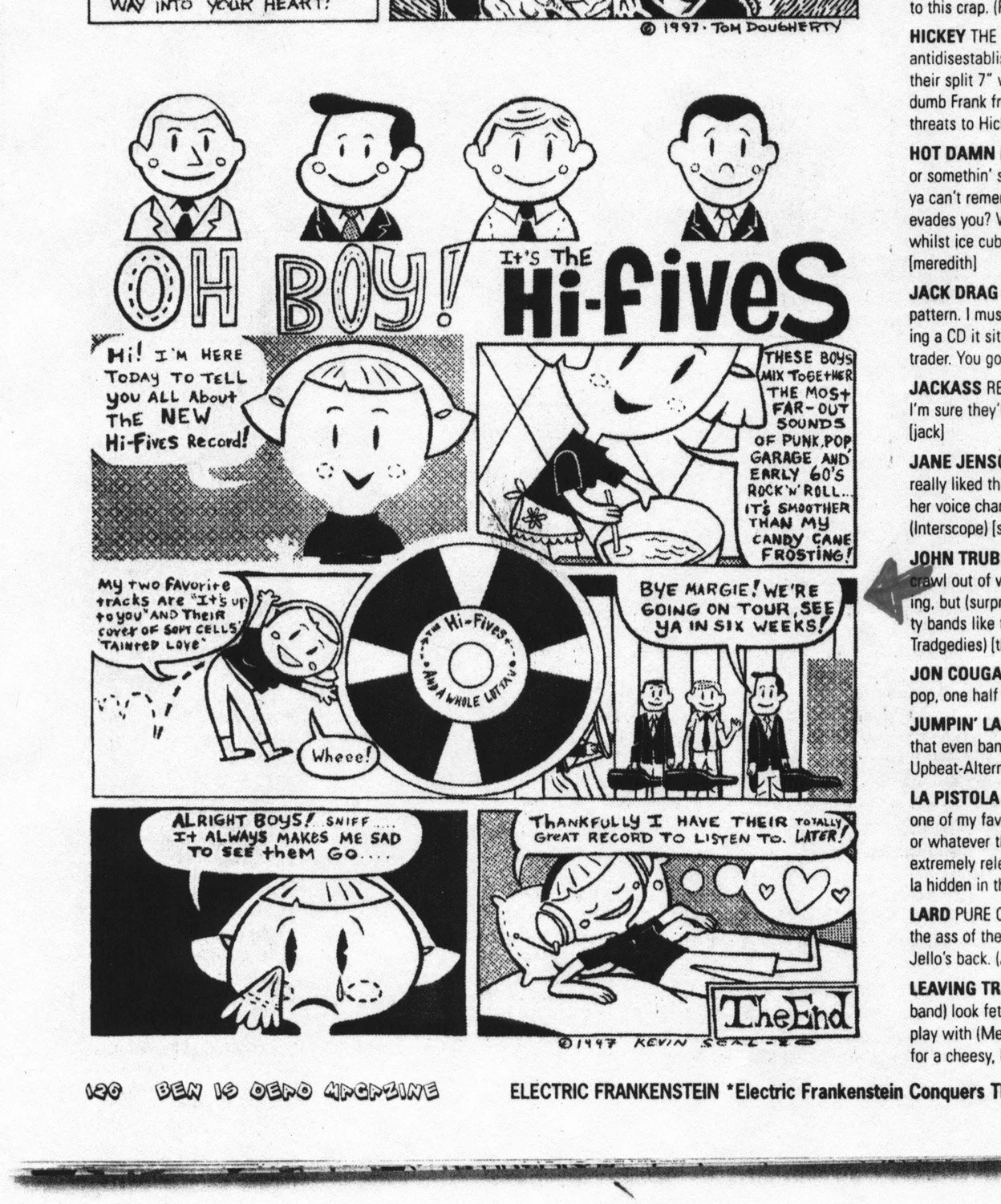
Artist Kevin Scalzo was commissioned by Ben Is Dead Magazine to create a “comic” review of the Hi-Fives “And A Whole ‘Lotta You” album. Ben Is Dead Magazine was famous for doing themed issues, and this was a “comic” themed. Kevin found the original here with the textured material discolored after so many years.